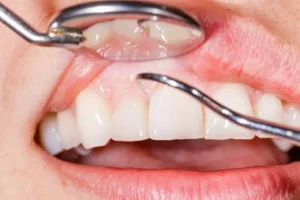
Tooth sensitivity, a common dental complaint, involves a sharp, temporary pain that occurs in one or several teeth. This discomfort is typically triggered by hot, cold, sweet, or sour foods and drinks or even breathing in cold air. Recognizing the causes and symptoms of tooth sensitivity is crucial for maintaining optimal oral health and preventing further dental issues..
What is Tooth Sensitivity?
Tooth sensitivity, also known as dentin hypersensitivity, arises when the protective enamel on teeth is worn down, exposing the underlying dentin. Dentin contains microscopic tubules that lead to the tooth’s nerve center, the pulp. When exposed to external stimuli such as temperature changes or certain foods, these tubules allow heat, cold, or sugars to reach the nerves, triggering a sudden, sharp pain.
Symptoms of tooth sensitivity
Tooth sensitivity presents itself through a range of specific symptoms, which may vary in intensity from person to person. These symptoms include:
Sudden, sharp pain
Experience a quick, sharp pain that occurs upon consuming hot, cold, sweet, or acidic substances. This type of pain is often immediate and can be quite distressing.
Discomfort while brushing or flossing
Notice heightened sensitivity during routine oral hygiene activities, such as brushing or flossing your teeth. This discomfort might indicate enamel erosion or gum recession.
Lingering sensation
Feel a lingering, uncomfortable sensation that persists after exposure to specific triggers, such as eating certain foods or beverages.
Sensitivity to Touch
Experience pain when your teeth are subjected to pressure, or when touched, whether during eating or dental examinations.
Detecting these symptoms early is crucial in order to address tooth sensitivity promptly, thereby preventing the condition from worsening and easing daily discomfort.

Common causes of tooth sensitivity
Tooth sensitivity can be triggered by a variety of underlying causes, many of which can be effectively managed with proper dental care. These include:
Enamel erosion
Over time, enamel, the protective outer layer of teeth, can wear down due to aggressive brushing with hard-bristled toothbrushes or using abrasive toothpaste. This erosion leaves the sensitive dentin exposed to stimuli and increases sensitivity.
Tooth decay
Cavities that form within the enamel can expose the tooth’s inner layers to hot, cold, or sweet stimuli, leading to heightened sensitivity and discomfort.
Gum recession
Recurring gum recession, often caused by periodontal disease or brushing too hard, can expose the roots of teeth. Since roots are not covered by enamel, this exposure can lead to increased tooth sensitivity.
Bruxism (teeth grinding)
Chronic grinding or clenching of the teeth, often occurring during sleep, can progressively wear down enamel. This reduction in enamel thickness elevates the risk of tooth sensitivity.
Cracked or chipped teeth
Any damage to the teeth, such as cracks or chips, can provide a pathway for external elements to reach the sensitive pulp, causing pain and sensitivity.
Acidic foods and beverages
Regular consumption of foods and drinks high in acidity, such as citrus fruits, soda, and wine, can erode enamel over time, leading to increased sensitivity.
Recent dental procedures
Some dental procedures, such as teeth whitening, fillings, or cleanings, can temporarily increase tooth sensitivity. This heightened sensitivity usually subsides as the teeth adjust following treatment.
Understanding these causes can help take preventive measures and seek early intervention to manage tooth sensitivity effectively.
Consequences of untreated tooth sensitivity
Ignoring tooth sensitivity can lead to several adverse effects on oral health, such as:
- Progressive tooth damage: Continued exposure to triggering factors can lead to further tooth damage, including erosion and cavities.
- Increased risk of gum disease: Receding gums due to untreated sensitivity can contribute to gum disease, compromising overall oral health.
- Chronic pain: Suffering from continual dental pain can affect daily life, causing discomfort when eating or talking.
Recognizing and addressing symptoms of tooth sensitivity is essential to prevent long-term damage and maintain oral health.
The importance of consulting a dentist
If you experience symptoms of tooth sensitivity, it is essential to visit a dentist for an accurate diagnosis and effective treatment plan. A thorough examination can identify the underlying causes, allowing for tailored recommendations to address your specific needs. Treatment options may include:
- Desensitizing toothpaste: Special toothpastes can help block pain signals from traveling to the nerves.
- Fluoride treatments: Professional fluoride applications can strengthen enamel, reducing sensitivity over time.
- Dental sealants: Application of sealants on exposed roots or damaged teeth can provide protection.
- Gum treatments: For gum recession, treatments to cover exposed roots may be suggested.
- Customized nightguards: If grinding is the cause, nightguards can prevent further enamel loss.

Taking action: Your first step toward relief
Addressing tooth sensitivity promptly can improve your quality of life and prevent future dental issues. Whether it’s altering oral hygiene habits, modifying your diet, or undergoing dental treatment, taking the first step for treatment significantly impacts your smile’s health and comfort.
As a leading dentist in Tijuana, Evolve Dental Studio offers expert guidance and comprehensive treatments for those suffering from tooth sensitivity. Our skilled team is dedicated to understanding and addressing your unique dental needs with the highest level of care.
If you’re experiencing the discomfort of tooth sensitivity, don’t wait for it to worsen. Schedule an appointment with Evolve Dental Studio, and let our experienced professionals provide the care and relief you deserve. Your journey to a pain-free, confident smile starts here with Tijuana’s best dental care team.